
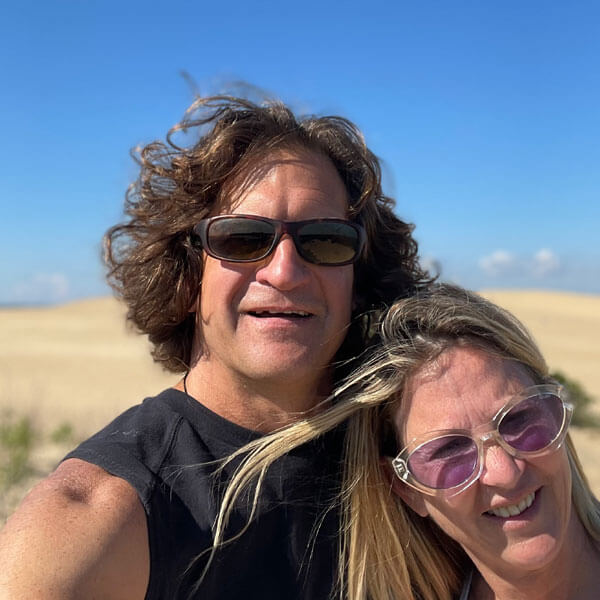
Tom and Natali hiked 12 miles in 90-degree heat to view the Corolla Wild Horses. During dinner, Tom felt the same low blood sugar sensation from before the heart attack. His heart raced, and his mind spun into a vortex…
Tom and Natali hiked 12 miles in 90-degree heat to view the Corolla Wild Horses. During dinner, Tom felt the same low blood sugar sensation from before the heart attack. His heart raced, and his mind spun into a vortex…
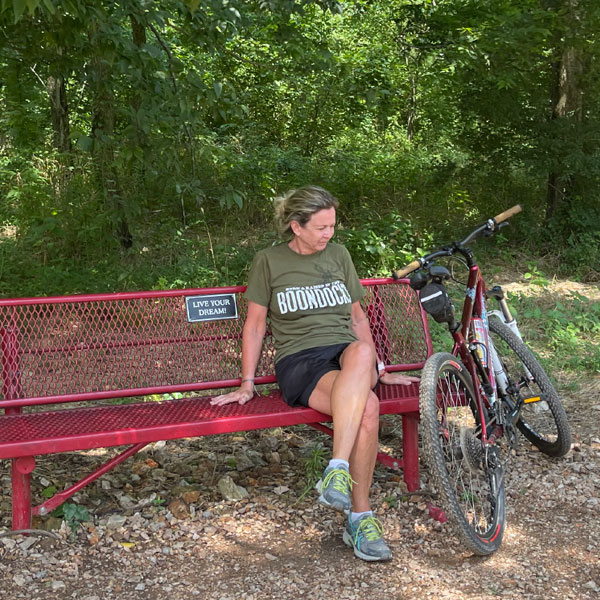
With Natali’s tenacity and daily encouragement, Tom progressed from walking two blocks at 24 minutes per mile to walking three miles at 18 minutes per mile. Life was: sleep, eat, walk, sleep, eat, walk, play cards/games, read, sleep, meditate, breathe.…
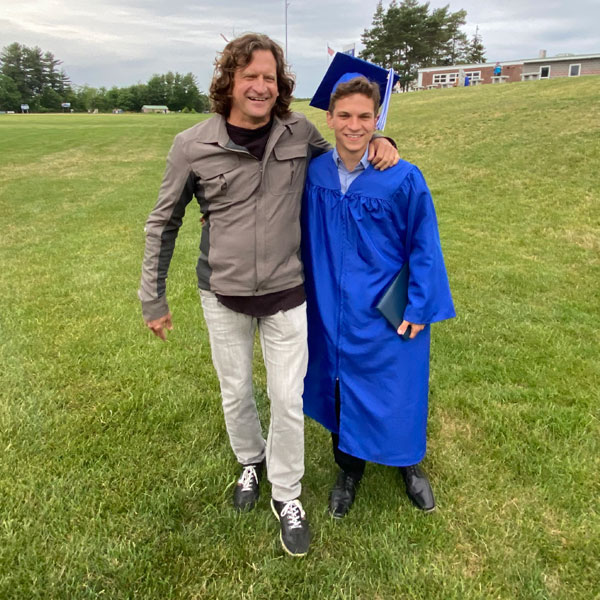
Tom’s ejection fraction rose from 30% to 50% within one month—a miraculous recovery. The LifeVest was removed. Hope was restored. This improvement was thanks to: persistent twice-daily three-mile walks on the beach, sleeping 12 hours a day, breathing exercises, impromptu…
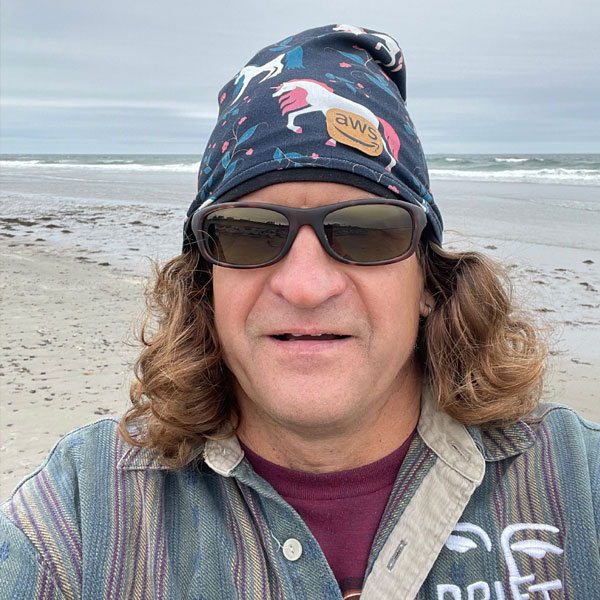
Walking two blocks to the beach was debilitating. Tom couldn’t make it to the produce section at the grocery store without resting on crates of bananas, thinking “I am going to die.” Seeing unhealthy beach-goers frolicking added to his angst…
Tom tried to obtain his medical records to share with his cardiologist friend at Duke. His primary care office maintained they had 30 days to release records. After multiple visits by Natali and friend Tom Ludwig, records were finally released…

At Tom’s first follow-up appointment with the cardiologist that performed the stent procedure, his medical staff indicated they had no record of him. The nurse asked, “Who are you?, Why are you here? Do you have the correct office?”. She…
Tom experienced daily panic attacks and PTSD episodes three times every night. He couldn’t sleep without sleeping aids. His deceased mother “visited” him on several occasions. Natali wasn’t allowed to leave his side—not even for showers, naps, or using the…
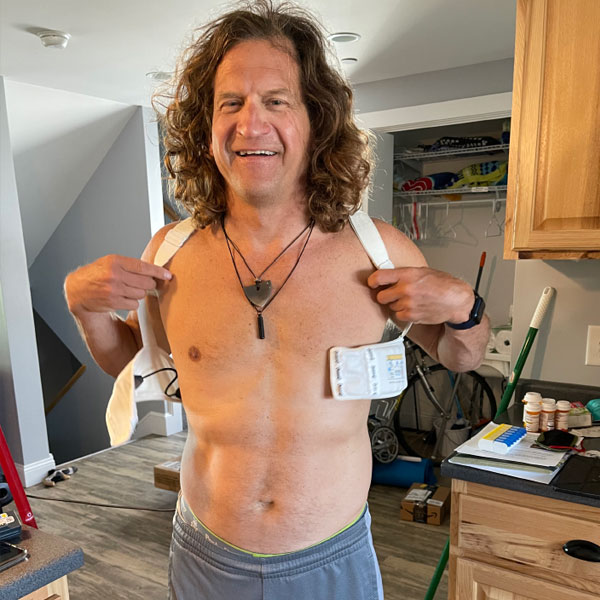
Tom was released with a LifeVest defibrillator ($3,000/month) despite his EF being at 30 and doctor’s recommendation. Insurance refused to pay for it, calling it “not a necessary expenditure.” Tom felt otherwise.
After six days, Tom’s ejection fraction had risen from 15% to 30%—a miraculous improvement. He was able to walk down a long hallway and up a flight of stairs (with breaks). He was ready to be released. The discharge nurse…
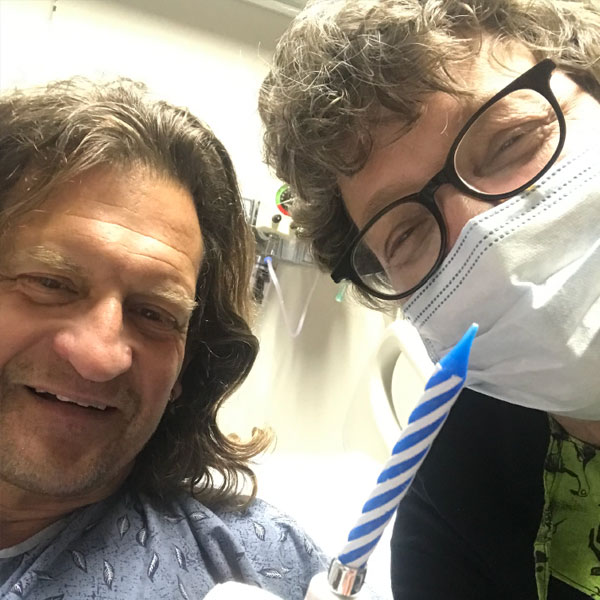
Tom’s sister visited with a birthday cupcake. They celebrated his 57th birthday in the hospital room. His friend Rob told another friend not to visit because Tom “didn’t look good.”
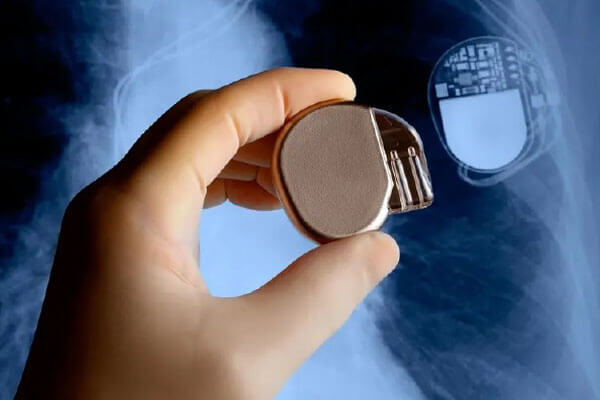
Hospital staff cautioned Tom there was a high probability he would need a pacemaker as a consequence of the cardiac arrest. This thought lingered anxiously in his mind for months.

Two days after the heart attack, the hospital staff informed Tom they would remove two IV medications that were helping control his VTach episodes. The physican assistant (PA) came in and said it was “standard operating procedure” and they were…
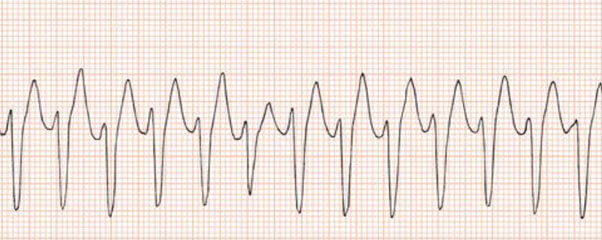
First Night Post-Cardiac Arrest – Tom woke up with at least four IVs in his arms, an EKG machine beeping incessantly, and feeling like he’d been run over by a semi-truck. His heart was frequently changing its rhythm (VTach) every few…
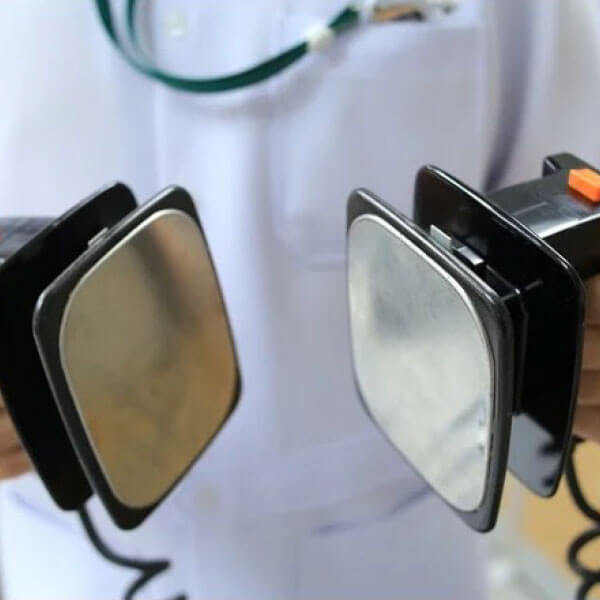
After the stent was placed, Tom woke in excruciating chest pain. He told nurses “something is wrong” but was told it was normal discomfort from the procedure. The stent had not adhered properly to the artery wall, causing rethrombosis—the blockage…
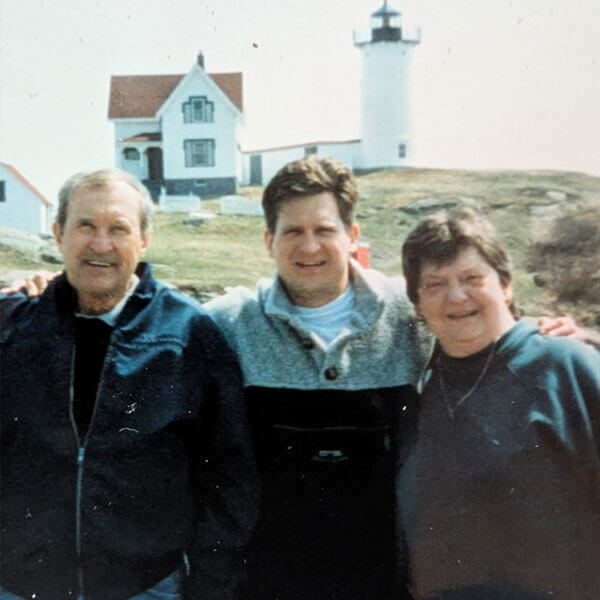
During the procedure, Tom experienced a vivid vision: walking into a bar reminiscent of his mother’s favorite spot in Wisconsin. The bar was elegant with mahogany and a massive liquor collection. His mother sat at the bar drinking whiskey, neither…
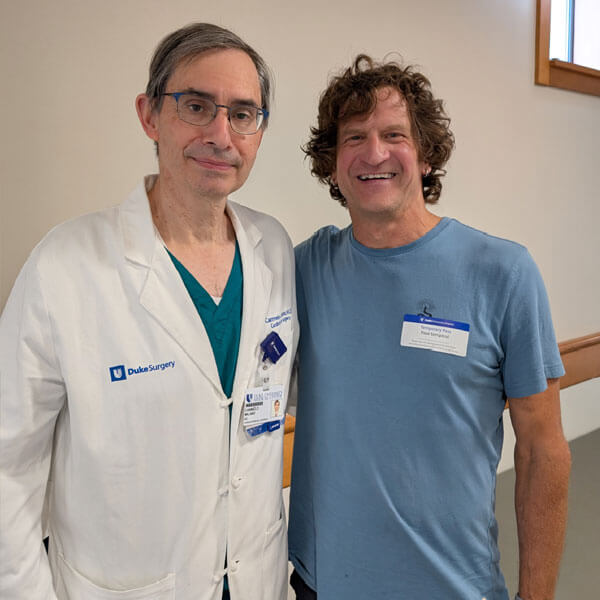
Tom arrived at Portsmouth Hospital and was diagnosed with a 90% blockage of his LAD (left anterior descending) artery—known as a “widowmaker” heart attack with only a 12% survival rate. He called Carmelo from the hospital to tell him it…
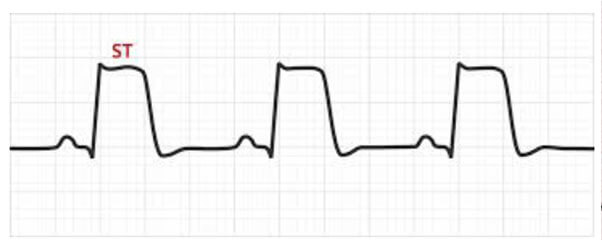
In the ambulance, Tom had a vice grip on the paramedic’s hand and asked, “Am I going to die?” The paramedic didn’t answer. Tom was pumped full of fentanyl and nitroglycerin. The paramedic eventually said, “Shit, this guy has tombstones…
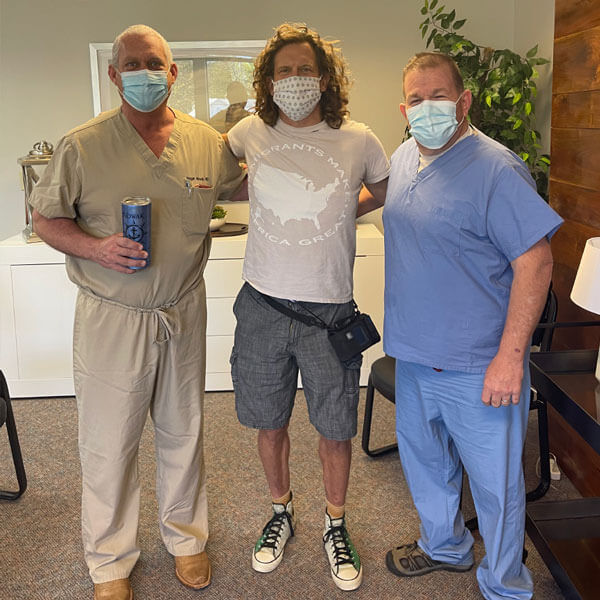
Tom collapsed outside the doctor’s office, writhing in pain in the parking lot. Two physicians from another practice found him and called 911. The physician’s assistant came down and told them Tom was having a panic attack.
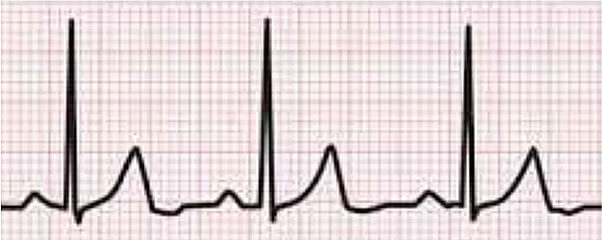
Tom told his physician’s assistant, “Something is definitely wrong.” An EKG was performed and came back showing his heart was “fine.” When Tom experienced a “fight or flight” response and rushed out of the office, the last thing Tom hears…
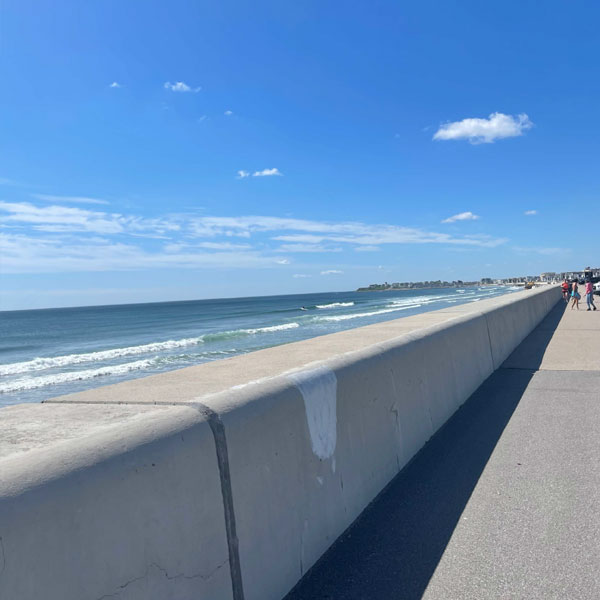
The Day Everything Changed: On a gorgeous morning in Hampton, NH, Tom ran three miles to his annual physical appointment. After half a mile, he experienced breathlessness, sweating, and a low blood sugar sensation—but pushed through to the doctor’s office.